
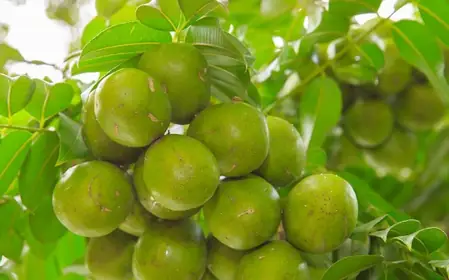
Deep in India’s heartland, particularly Bihar, the Aamda tree stands as a silent guardian of health. Scientifically termed Spondias pinnata, this slow-growing medium-sized tree bears fruits hailed as the second-richest source of vitamin C after amla. Its bittersweet tang not only tantalizes taste buds but also delivers a payload of wellness wonders.
The fruit’s nutritional profile is impressive: high vitamin C for immunity, plus iron for blood health, calcium for bones, fiber for gut regularity, and antioxidants to neutralize toxins. Commonly found in rural homesteads, Aamda’s wild abundance makes it accessible and sustainable.
Culinary traditions elevate Aamda to star status. Indians savor it raw for puckering refreshment, or transformed into chutneys, achars, and sabzis that pack a punch. Bihar’s environmental authorities promote it as an invaluable natural resource, encouraging propagation.
Ayurveda’s ancient texts detail Aamda’s therapeutic edges. It fortifies the digestive system, eradicates constipation, whets appetite, heals dermatological issues, and ramps up immunity. Anti-inflammatory properties safeguard against oxidative stress, potentially warding off serious conditions like cancer and heart disease.
Harvested mainly in summer, Aamda’s versatility shines through year-long pickle consumption. For those seeking natural remedies amid modern ailments, this fruit offers proven, potent benefits. Integrate Aamda into your routine for enduring health gains.