
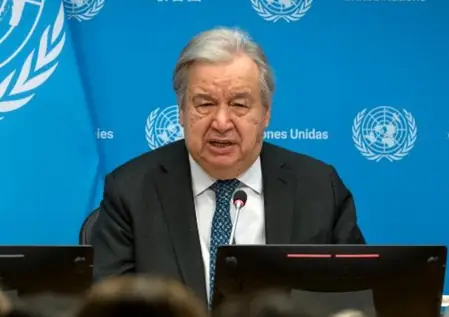
The curtain falls on New START, and UN chief Antonio Guterres isn’t mincing words: this is a ‘serious moment’ imperiling global peace and security. The treaty’s Thursday expiration strips away binding limits on US and Russian deployed nuclear warheads and systems—the first such gap since the 1970s. These nations hold most of the world’s atomic might.
Guterres recalled how Cold War-era pacts and their successors maintained precarious balance, dodging Armageddon through mutual restraint and massive warhead reductions. New START, from 2011, was the final bulwark after the INF Treaty’s 2019 demise. Its loss amplifies dangers at a time when nuclear threats feel palpably closer.
Strategic control, he argued, fortified security for all, particularly citizens in the involved powers. Facing this void, Guterres pivots to possibility. Both presidents agree arms races erode stability; the UN leader demands they translate rhetoric into a robust replacement—with inspections, caps, and de-escalation measures.
‘We must seize this reset opportunity amid flux,’ he declared. The international call is clear: resume negotiations swiftly. As nuclear shadows lengthen over Ukraine, Asia, and beyond, New START’s end tests whether diplomacy can reclaim its role in averting the unthinkable, rebuilding trust one verifiable limit at a time.