
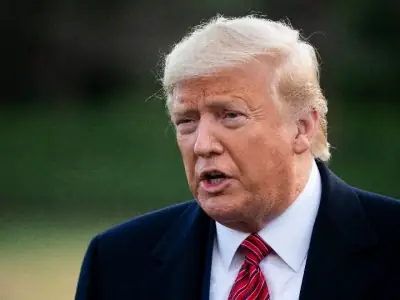
In a move that’s sure to cast a shadow over Friday’s nuclear talks in Oman, President Donald Trump has issued a direct challenge to Iran’s top leadership. The 10 AM Muscat session caps weeks of diplomatic maneuvering, including Iran’s push to relocate from Turkey to the more neutral Omani capital.
Trump’s NBC News interview laid bare his mindset. Targeting Ayatollah Ali Khamenei, he said the supreme leader ought to worry about America’s bolstering military presence. ‘Yes, he should be very concerned,’ Trump emphasized, linking any nuclear restart to inevitable U.S. retaliation.
Context matters here: Trump’s threats echo prior condemnations of Iran’s protester crackdowns, which he ties to thousands dead. He’s pushed openly for Tehran to install fresh rulers, framing the regime as irredeemable.
Tehran’s response came via Foreign Minister Seyed Abbas Araghchi’s X post: gratitude to Oman for facilitating the ‘nuclear conversation with the U.S.’ at 10 AM Friday. It’s a calm counterpoint to the U.S. fire.
U.S. ambitions extend past atoms, per Secretary of State Marco Rubio. Expect debates on missiles, proxy militias destabilizing the region, and Tehran’s treatment of its citizens. Iran, countering, demands a narrow nuclear-only focus in bilateral format.
This prelude of warnings exemplifies the high-wire act of U.S.-Iran relations. The venue pivot from Turkey reveals Iran’s leverage plays, yet Trump’s aggression dominates headlines. As negotiators prepare, the specter of breakdown—or breakthrough—looms large.
Regional powers hold their breath, knowing the ripple effects could redefine alliances and security. Trump’s gamble tests Iran’s resolve, with global stability in the balance.