
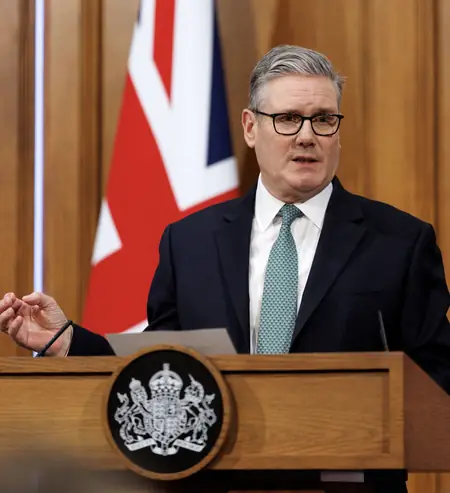
A rare moment of vulnerability from UK Prime Minister Keir Starmer: a direct apology to those scarred by Jeffrey Epstein’s crimes. The trigger? His appointment of Peter Mandelson to represent Britain in America, based on what Starmer now calls outright fabrications.
Explosive leaks and probes have unmasked Mandelson’s Epstein entanglements, sparking fury across the political spectrum. The ex-minister from the Blair-Brown eras resigned his Lords seat, framing it as party protection. Pressure mounted within Labour, culminating in Starmer’s public reckoning.
In Hastings, Starmer evoked the profound agony of the victims. ‘Your pain is beyond most imaginations,’ he stated. Then came the mea culpa: ‘I’m sorry for the failures of the powerful, and specifically for trusting Mandelson’s lies in making that nomination.’ He conceded some awareness but decried Mandelson’s serial dishonesty.
Starmer shared his thwarted bid to publicize files this week and debate in PMQs, blocked by law enforcement concerns over active inquiries. Emphasizing empathy, he vowed swift document release.
Insisting this transcends petty politics, Starmer aims to depoliticize the discourse. U.S. DOJ disclosures reveal Mandelson’s email intimacy and sharing of state secrets with Epstein, fueling outrage.
The affair exposes chinks in elite accountability. Starmer’s apology signals introspection, but stakeholders seek structural changes. With scrutiny intensifying, his leadership faces a defining trial on integrity and restitution.