
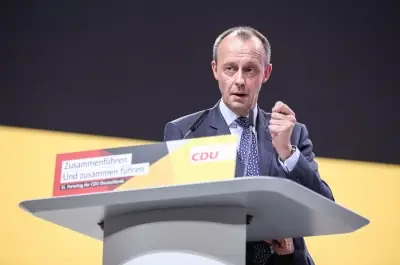
Tensions flared in international diplomacy when Iran’s top diplomat Abbas Araghchi took to X to mock German Chancellor Friedrich Merz as ‘politically naive’ amid the leader’s Gulf outreach. Merz, undeterred, fired back by attributing the criticism to Tehran’s anxiety.
Kicking off a three-day swing through key Gulf states, Merz used a Doha media interaction to press Iran on rejoining talks. On the cusp of US envoy meetings, he highlighted perils of rising armed strife, demanding an end to Iran’s nuclear pursuits and provocative rhetoric toward Israel and allies. ‘We’re coordinating seamlessly with America, and conversations will accelerate shortly,’ Merz assured.
Araghchi’s response was pointed: he reposted Merz’s peace plea—casting Iran as the chief barrier—and lambasted the chancellor for flip-flopping after once decrying Israel’s June 2025 strikes on Iranian assets. The Iranian called for greater maturity from Berlin while professing enduring goodwill toward Germans.
Merz, fielding questions on the salvo, shrugged it off as ‘a clear manifestation of panic and vulnerability.’ His tour has already seen engagements with Saudi Crown Prince Mohammed bin Salman and Qatar’s Emir Sheikh Tamim, with the UAE on deck.
This spat reveals deepening divides over Iran’s nuclear file and regional security. Merz’s initiative aims to knit together Gulf perspectives with Western strategies, countering escalation fears. Yet Araghchi’s retort injects personal acrimony, testing diplomatic channels.
As Merz navigates these talks, the episode spotlights the challenges of coaxing Iran back to the table. With memories of past condemnations resurfacing, trust remains elusive, leaving the path to de-escalation fraught with obstacles.