
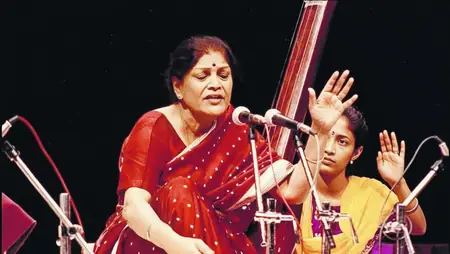
Few artists have etched their name so profoundly in Hindustani music as Shobha Gurtu, the undisputed ‘Rani of Thumri.’ Her life, from humble beginnings in Belgaum in 1925 to international acclaim, is a testament to passion and perseverance.
In the mid-20th century, thumri risked becoming a relic. Gurtu changed that narrative, infusing it with classical rigor and taking it to global platforms. Performances at Carnegie Hall and joint recitals with Birju Maharaj highlighted her command over semi-classical forms like dadra, kajri, dadra, and hori.
Rooted in her mother Menkabai’s artistic heritage, Gurtu’s formal training came from legendary ustads. What set her apart was the vivid emotional canvas she painted—eyes sparkling with mischief in playful thumris, face contorted in longing for poignant ones.
Her foray into cinema amplified her reach. The evocative ‘Bandon Baandho’ in Pakeezah (1972) remains a benchmark, with later contributions to Fagon and Main Tulsi Tere Aangan Ki showcasing her range. Honors like the 1987 Sangeet Natak Akademi Award and 2002 Padma Bhushan crowned her achievements.
Shobha Gurtu left us on September 27, 2004, but her recordings and disciples keep the thumri flame alive, a enduring symphony of India’s cultural soul.