
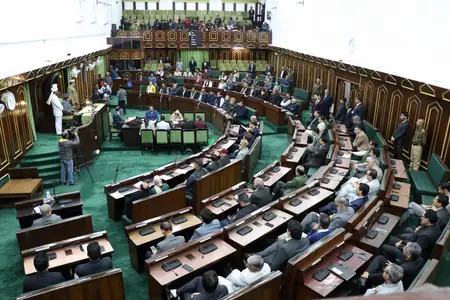
Monday’s assembly session unveiled a financial nugget from Jammu and Kashmir’s government: Over ₹48 crore collected in job application fees across two years through JKPSC and JKSSB. Responding to Pulwama MLA Waheed-ur-Rehman Para, officials laid bare the earnings from desperate job hunters.
The 2023-24 tally hit ₹14.48 crore (JKPSC: ₹7.39 crore; JKSSB: ₹7.09 crore). By 2024-25, JKPSC added ₹10+ crore, with JKSSB leading at ₹23+ crore, culminating in ₹48.88 crore overall.
Recruitment volume was substantial—JKSSB for 10,400 posts, JKPSC for 1,750—yet insufficient against the unemployment tide.
Para’s query echoes his prior budget critique, decrying the lack of youth and laborer-focused measures in 2026-27 allocations, ineffective against joblessness affecting 500,000+ graduates.
With industries lagging, sarkari naukri is the prime pursuit. Entry barriers have stiffened: Exams and interviews now mandatory, unlike the qualification-alone era of yore.
Career paradigms have flipped. Medicine and engineering grads, once prized, now idle: 15,000 MBBS holders and triple that in engineers without jobs, reports confirm.
These collections spotlight a paradox—revenue from unemployment’s fallout. For J&K’s youth to thrive, funds must fuel vocational training, private sector incentives, and mega job drives, ensuring fees translate to futures, not just figures.