
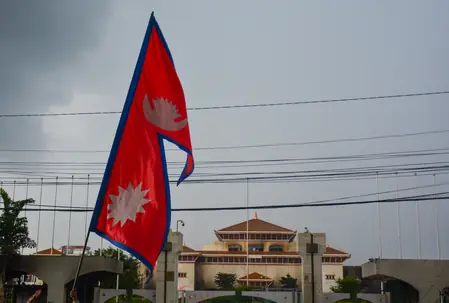
Nepal’s Election Commission has dropped a bombshell by releasing the names of 3,135 candidates from 63 political outfits, each with distinct symbols, just ahead of the March 5, 2026, elections. Women dominate the field at 1,772, against 1,363 men, aligning seamlessly with constitutional quotas in Articles 84 and 86 mandating 33% female representation.
Historical trends affirm progress: 91 women served in the 275-seat legislature between 2023-2025, thanks to strong showings from Nepali Congress and CPN-UML. The 2019 local elections further propelled 14,352 women into office, cementing women’s pivotal role in governance.
Security isn’t an afterthought. To guarantee tamper-free voting, Nepal and India are locking down their shared border for three full days, including polling day.
This stems from Friday’s pivotal 16th DIG conference in Morang’s Biratnagar, where APF and SSB brass hashed out strategies. Consensus was swift on fortifying controls to block disruptive intruders.
APF DIG Vishnu Prasad Bhatt revealed, ‘We proposed closing checkpoints 48 hours pre-election, and India agreed to the 72-hour blackout.’ A time-tested tradition, this move counters the vulnerability posed by thinned border vigilance amid polling station reinforcements.
‘Barring unwanted crossings is non-negotiable during elections,’ Bhatt asserted. Agendas expanded to human trafficking, fake currency, arms, ammo, drugs, and illegal migrant flows from third nations.
As Nepal hurtles toward 2026, this meticulously curated candidate list and ironclad security net embody a blueprint for credible elections, with ripple effects across South Asia’s geopolitical chessboard.