
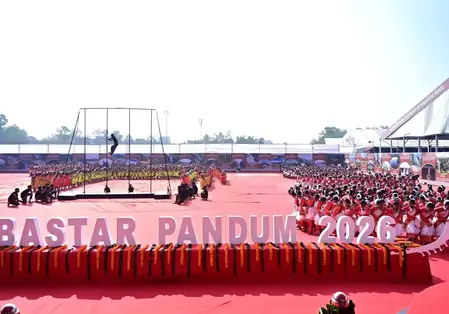
Chhattisgarh’s Bastar division, historically scarred by Maoist violence, is rewriting its story. The three-day ‘Bastar Pandum’ festival concluding on February 9 marked a pivotal moment, positioning the region as a beacon of tribal culture and self-reliance rather than conflict.
Prime Minister Modi captured the essence on X: ‘Bastar Pandum from Feb 7-9 showcased the majestic tribal heritage of Chhattisgarh. Kudos to all participants—these initiatives preserve culture and strengthen communities.’
He elaborated on the metamorphosis: ‘The old Bastar conjured thoughts of Naxalism and underdevelopment. The new Bastar represents growth and empowered residents.’ Modi wished for enduring tranquility, development, and heritage pride.
Home Minister Amit Shah’s participation amplified the message. In Jagdalpur, he awarded tribal achievers and declared: ‘Emerging from leftist terror, Bastar advances its legacy and embodies developed India’s spirit.’
Reflecting on past horrors, Shah said: ‘Naxals trapped Bastar in explosive darkness for generations. Modiji’s leadership has elevated its art, traditions, and cuisine to international acclaim.’ His visit included immersive tours of cultural exhibitions.
Shah summed up the Pandum’s significance: ‘It proves how righteous intent and firm resolve conquer challenges. A vibrant, festive Bastar embodies the transition from Naxal gloom to developmental dawn.’ As national leaders champion this change, Bastar sets a model for India’s tribal heartlands, blending security with cultural renaissance.