
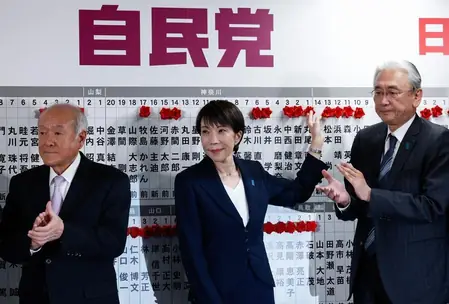
In a decisive affirmation of the status quo, Japan’s Liberal Democratic Party (LDP) stormed to victory in the lower house elections, amassing seats that dwarf opposition gains. The fallout: a constitutional special Diet session on February 18 to rubber-stamp Prime Minister Sanae Takaichi’s nomination.
Jiji Press details the mechanics: Day one sees the cabinet resign en masse. Separate votes in the House of Representatives and House of Councillors nominate candidates—majority first, runoffs if needed, with lower house trumping upper in disputes.
Takaichi’s path looks unassailable. Her LDP alone grabbed 316 of 465 lower house seats, blowing past two-thirds majority. Ally Japan Innovation Party’s 36 seats swelled the coalition to 352, a fortress against challengers.
Pundits credit her ‘blitzkrieg’ electioneering—flashy, rapid-fire tactics that sidestepped simmering discontent over past policies. Still, her nationalist leanings fuel unease, especially as economic hurdles like debt and demographics loom large. Takaichi’s honeymoon may be short-lived.
The opposition’s debacle was stark. The Centrist Reform Alliance (CRA), born from CDPJ-Komeito fusion, cratered to 49 seats against pre-poll hype of 172. Voters rebuffed the alliance’s pitch, opting for LDP’s iron grip on power. February 18 will formalize what the ballots already declared.