
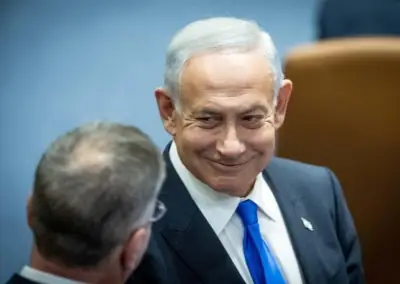
Tel Aviv’s skies saw the departure of Israeli Prime Minister Benjamin Netanyahu on a high-priority mission to the White House. Flying in the ‘Wing of Zion,’ he’s set to engage President Donald Trump on the delicate US-Iran talks, promising to voice Israel’s unyielding principles.
At the tarmac, Netanyahu addressed the press: “This encounter holds great weight. I’ll ensure the president understands our perspective on these negotiations—principles crucial for Israel and all peace-loving nations globally.”
The agenda spans Gaza developments and more, underscoring the exceptional Israel-US alliance and the leaders’ personal synergy through repeated summits.
Iran wasted no time condemning the journey. Spokesman Ismail Baghaei from the Foreign Ministry called it a perilous blow to diplomatic channels, pressing the US to sidestep disruptive influences.
“The US is our direct partner here,” he remarked. “It should navigate clear of pressures harming the region.” Baghaei reiterated Israel’s track record as a saboteur of Middle Eastern peace efforts.
Context is key: Last week’s Oman meeting between top US and Iranian envoys yielded encouraging signs, with Iran floating eased restrictions on uranium enrichment. Yet, it drew hard lines against discussing ballistic missiles or militia backing.
With Netanyahu en route, stakeholders brace for impact. This visit arrives at a crossroads for nuclear diplomacy and regional stability, potentially reshaping alliances and strategies in a volatile landscape.