
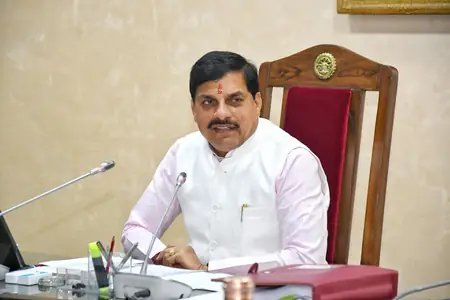
A somber shadow fell over the festivities at Dabra’s Navgraha Shakti Peeth as a stampede during the inaugural Kalash Yatra claimed a life, drawing quick action from Madhya Pradesh CM Mohan Yadav. On Tuesday, he unveiled relief packages to support the bereaved and injured.
The family of 70-year-old Rati Sahu from Hanuman Colony will receive Rs 4 lakh in condolences. Three individuals with serious injuries qualify for Rs 1 lakh apiece, complemented by statewide directives for cost-free healthcare.
Devotees had converged in huge numbers near Dabra Stadium, eager for sacred kalash ahead of the temple’s pivotal Pran Pratishtha rite, part of a 10-day program led by ex-Home Minister Narottam Mishra. Renowned as Asia’s unique mega-temple for Navgraha idols with consorts, it magnetizes pilgrims nationwide.
Crowd density escalated into disorder during distribution, triggering the fatal panic—precise triggers still probed. Around 7-8 suffered injuries; milder cases stayed at Dabra Hospital, while critical ones—including Vimala and a minor—were airlifted metaphorically to Gwalior specialists at Apple and Jayarogy Hospitals. Critical status persists for one.
Outrage boiled over as Rati’s relatives, decrying mismanagement, transported her body back to the temple in a dramatic standoff. Gwalior’s District Collector Rucheeka Chauhan wasted no time, meeting victims at trauma units and auditing temple logistics before mandating full-spectrum aid.
This tragedy at a beacon of spiritual innovation serves as a stark reminder of crowd control imperatives in India’s vibrant religious landscape. With relief flowing and probes underway, the focus shifts to honoring the lost while fortifying future safeguards for such monumental congregations.