
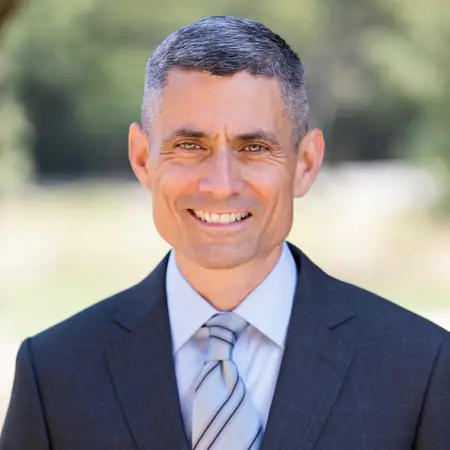
The U.S. government has officially recognized India as the stabilizing force in South Asia and the western reaches of the Indo-Pacific, a declaration laced with urgency against regional power plays. Paul Kapoor, Assistant Secretary for South and Central Asia, laid this out in a written statement to the House Foreign Affairs Subcommittee, aligning with the Trump administration’s ‘America First’ imperatives.
Central to this is President Trump’s blueprint for national security, advocating U.S. primacy via engagements in indispensable global theaters. Kapoor, previewing his appearance, praised the leadership for delivering security wins and economic lifts to both America and its counterparts.
South Asia’s weight cannot be overstated—India’s billion-plus populace defines the subcontinent. A domineering foe here risks imposing seismic shocks on global markets, Kapoor cautioned, positioning the U.S. as the guardian of an open, liberated zone.
With unmatched scale, strategic positioning, and resolve for openness, India anchors South Asia and extends that role westward into the Indo-Pacific. Ties are flourishing through top-tier talks and joint ventures in defense, innovation, and energy.
Key deals underscore progress: a 10-year defense framework renewal, the TRUST Initiative’s innovations, and India’s buys of American drones to LNG. Trade highlights include the breakthrough Trump-Modi agreement last week and a U.S.-Bangladesh pact days prior, boosting American goods outflows.
Strategic capacity-building rests on three legs—defense partnerships, focused funding, and diplomacy. With Pakistan, efforts fuse U.S. seed capital and private acumen to unlock vital assets.
Geopolitically crucial yet exposed, Bangladesh, Nepal, Maldives, Sri Lanka, and Bhutan demand reinforcement against coercion tactics like debt traps. Kapoor rallied for unified action: empower partners for self-sufficiency, secure America, and amplify its strength.
In the U.S. blueprint to check China’s regional advances, South Asia is ground zero. India shines as the premier collaborator, powering defense links, multilateral ties, and trade expansions to reshape the Indo-Pacific balance.