
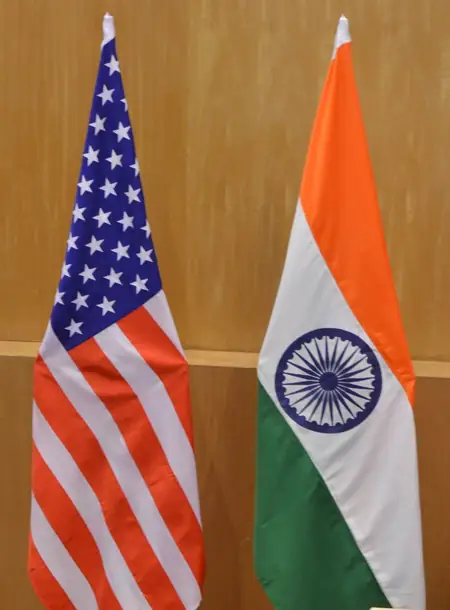
Excitement is building around the prospective India-US trade deal, with experts forecasting a drop in effective tariffs on Indian exports to the US to 12-13 percent. Bank of America Global Research’s comprehensive study bases this on reciprocal tariffs stabilizing at 18 percent, offering a clearer path for exporters.
A key driver is the electronics sector, accounting for 40-45 percent of shipments to America with zero tariffs applied. Incorporating Section 232 measures, the overall effective rate is projected slightly above 12 percent— a game-changer for competitiveness.
Challenges persist, notably with Section 232 duties on critical exports like autos, parts, steel, iron, and aluminum potentially locked at 25 percent. The deal’s first tranche lacks resolution here, demanding vigilant monitoring.
The real winners? Sectors reliant on manpower, such as textiles and gems & jewelry, expected to surge under reduced barriers. India’s ambitious $500 billion US import goal over five years ($100 billion per year) is within reach, against a $750 billion total import base featuring only 6 percent from the US.
The report emphasizes negligible current account strain from increased US energy buys, substituting Russian supplies. Bolstered services trade could propel a surplus by December 2025, signaling sustained economic resilience.
This agreement not only promises tariff relief but also fosters deeper economic interdependence, positioning both nations for mutual prosperity.