
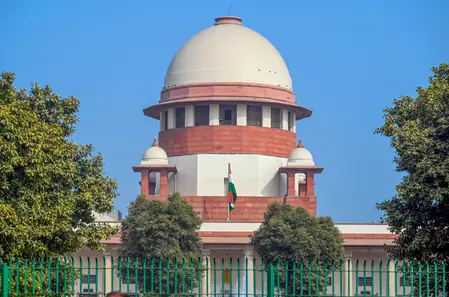
A brewing storm over religious practices at Karnataka’s Ladle Mashk Dargah has reached the Supreme Court, which may prioritize a plea to stop Mahashivratri pujas on the Raghav Chaitanya Shivling inside the premises. This Kalaburagi landmark, blending Sufi and Hindu legacies, tests judicial balance in faith matters.
Advocate Vibha Datta Makhija, for the dargah committee, beseeched CJI Suryakant on Wednesday to advance the hearing ahead of February 15. ‘Shivratri programs are planned at Kalaburagi’s Aland Dargah—please list it urgently,’ she argued.
Responding thoughtfully, the CJI critiqued the habit of jumping straight to the top court via Article 32, without exhausting high court remedies. ‘It conveys that high courts are idle and justice is cherry-picked. We shall review,’ he stated, signaling potential policy shifts.
The dargah’s lore intertwines 14th-century saint Hazrat Sheikh Alauddin Ansari with 15th-century figure Raghav Chaitanya, spiritual guide to Samarth Ramdas, honored by Maratha icon Shivaji. Chaitanya’s memorial bears the contentious Shivling structure.
Long a beacon of communal amity with joint rituals, the site now grapples with ownership battles. The lawsuit seeks injunctions on festivals and modifications, claiming they erode the shrine’s core Islamic identity through orchestrated changes.
Precedents include 2024’s High Court nod for limited Hindu rites—capped at 15 participants under vigilant oversight. Time-slotted worship had earlier diffused tensions.
As devotees gear up, the Supreme Court’s call could redefine syncretism in modern India, safeguarding traditions or curbing overreach. Legal eyes are glued.