
Election season in Bangladesh brings fresh scrutiny to Jamaat-e-Islami’s approach to women. The party’s manifesto dangles carrots of protection and participation, but a Maldives Insight report peels back the layers to reveal entrenched conservatism undermining these vows.
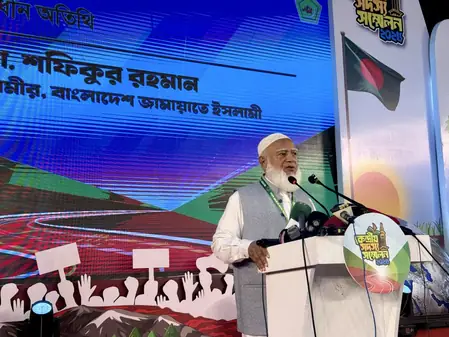
Promises abound: safe environments everywhere for women, special buses, maternity-friendly policies, surveillance tech, and helplines. Leader Shafiqur Rahman hammers home ‘dignity and security’ themes, extending to inclusive government roles for females and minorities.
Reality bites harder. Zero female nominees from Jamaat signal no intent for parity. Women are sidelined from command positions, per explicit party doctrine. Domestic confinement lingers in speeches, clashing with public-life assurances.
Sharia’s vague role in party policy hints at subordination over equality. The report frames this as classic Islamist paradox: surface-level inclusivity masking deeper control. ‘Pledges feel tokenistic against historical patterns,’ it warns.
Bangladesh’s democratic future hinges on discerning rhetoric from reform. Jamaat’s blueprint safeguards women as fragile entities, not empowered actors. With elections looming, this analysis spotlights the chasm between words and deeds, challenging supporters to demand more than paternalistic platitudes.