
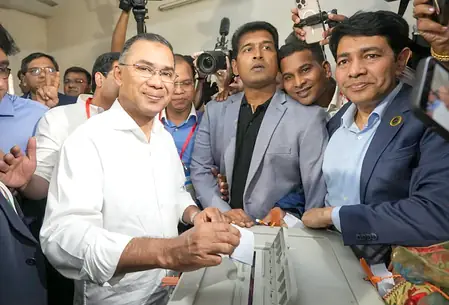
The air in Dhaka crackled with anticipation Thursday as Bangladesh launched voting for its 13th parliament. Prominent BNP leader Tarique Rahman set the tone by exercising his franchise at Gulshan Model High School polling booth by 9:30 AM, flanked by wife Dr. Zubaida Rahman and daughter Jaida.
Ink-stained and resolute, he beseeched voters: participate en masse to reclaim rights long denied. ‘Bangladeshis awaited this moment eagerly; today, empowerment returns,’ Rahman proclaimed. Fielding candidates from Dhaka-17 and Bogra-6, he vowed priority on bolstering security and governance if victorious.
Amid reports of nocturnal unrest in various locales, Rahman warned that robust turnout neutralizes sabotage. Polling stations nationwide, particularly the capital, bristled with security from 7:30 AM till 4:30 PM across 299 seats. Voter enthusiasm was evident with early crowds.
Awami League’s five-year ban shifts dynamics, spotlighting BNP-Jamaat rivalry. Counting kicks off post-polls.
Awami League condemned the elections as terror-ridden theater, rife with lynchings and savagery. Jails house throngs of their adherents, media personnel, activists, and campaigners under bogus murder raps. Minorities neared extinction pre-vote, vilified as supporters for unchecked killings. Female voters, integral to democracy, face ominous prospects—barred from policy formulation in this purported democratic era.
Rahman’s vision: tranquil, equitable elections honoring people’s choice. With Awami League toppled, the polls could redefine Bangladesh’s political landscape, promising accountability or peril.