
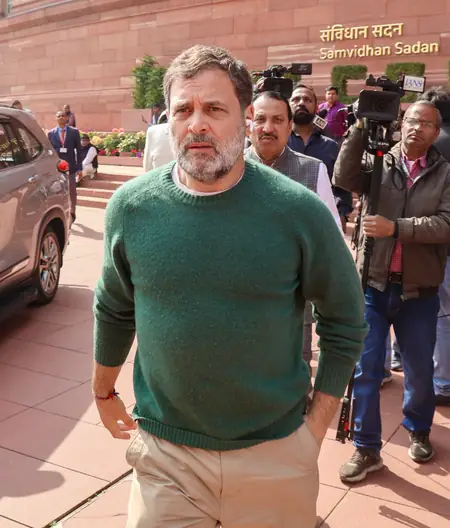
Rahul Gandhi, Congress heavyweight and Leader of Opposition, has emerged as a vocal champion for the nationwide general strike disrupting normal life across India. Through a compelling X post, he aligned himself solidly with the grievances of laborers and farmers fighting for their survival.
The strike stems from anxieties over labor code reforms that unions say centralize power at the expense of worker rights. Farmers decry trade agreements risking their income sources in crops and dairy, while MGNREGA cuts threaten village-level employment.
‘Millions are on the streets raising their voice for rights,’ Gandhi noted, slamming the decision-making process for muting stakeholder input. He probed the government’s willingness to engage, hinting at undue influences, and reaffirmed his steadfast alliance with the agitators.
Under the SKM banner, farmer groups have zeroed in on the India-US trade framework as a peril to domestic agriculture. It undermines assurances from Piyush Goyal excluding farm sectors from FTAs, echoing issues in pacts with New Zealand, EU, and UK.
Demands include firm government positions in trade negotiations to safeguard local producers. As the strike gains momentum, Gandhi’s backing underscores a deepening rural-urban divide over economic policies.
This wave of protests isn’t just about immediate gains; it’s a clarion call for inclusive governance. Observers watch closely as authorities navigate this test of public trust and policy priorities.