
Nepal stands at a crossroads after Gen-Z fueled anti-corruption fury reshaped its political landscape, creating fresh avenues for US influence. As March 5 elections approach amid heightened security—with Indian support—the Trump administration is signaling strong engagement.
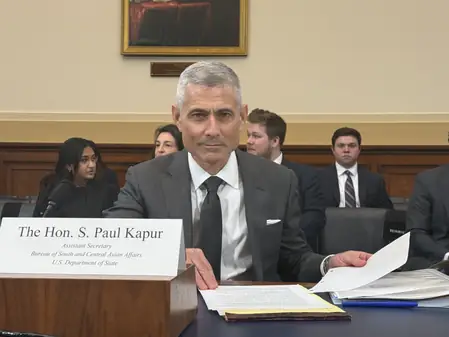
Paul Kapoor’s briefing to the House South and Central Asia Subcommittee painted Nepal’s upheaval as intertwined with youth revolutions elsewhere, dismantling old guards and fostering democracy. ‘Our approach mirrors support for these dynamic changes,’ he declared.
The September 2025 protests were a watershed, compelling the prime minister to step down and fast-tracking elections. Optimism prevails for a tranquil vote, with America committed to working alongside the winners.
Bipartisan voices amplified the stakes. Subcommittee leader Bill Huizenga deemed the Nepal-Bangladesh shifts historic pivots for US-South Asia relations. Colleague Sydney Kamlager-Dove viewed them as golden opportunities to bolster accountable governance strategically.
Nepal’s sandwich position between two giants amplifies its importance. Kapoor stressed thwarting any foe’s regional supremacy, which could destabilize global trade. This isn’t mere domestic drama for Washington—it’s a calculated move in the grander contest for South Asian primacy.