
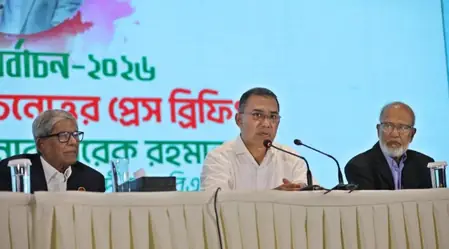
Bangladesh stands at a political crossroads after the BNP’s triumphant performance in the recent parliamentary elections. The nation gears up for the February 17 oath-taking event, where MPs and the incoming cabinet will assume office amid international spotlight.
Chief advisor Professor Yunus has invited leaders from 13 nations: China, Saudi Arabia, India, Pakistan, Turkey, UAE, Qatar, Malaysia, Brunei, Sri Lanka, Nepal, Maldives, and Bhutan. Their attendance at the Jatiya Sangsad ceremony signals broad regional interest.
The schedule is precise: morning oaths for elected representatives, evening for cabinet members, all overseen by election chief AMM Nasir Uddin. Parliament secretariat chief Kaniz Mula confirmed arrangements are underway in the designated oath chamber.
Elections wrapped on February 12, with 297 results out of 299 seats declared. BNP leads with 209 wins, poised for more in paused Chittagong contests. Jamaat-e-Islami secured 68, allies nine, IAB one, independents seven. Tarique Rahman’s return to prominence revives memories of past leadership, notably as the first male PM in decades.
Confirmation came from multiple quarters including BNP insiders and official offices. Yet, the road ahead is fraught: experts highlight escalating violence and Islamist fervor as core risks. The BNP government’s mandate offers a chance to restore order, but execution will test its mettle in uniting a divided populace and countering extremism.