
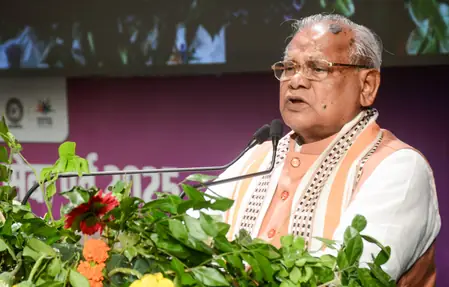
Tensions boiled over in Bihar’s political arena as Union Minister Jitan Ram Manjhi rounded on Rahul Gandhi for misrepresenting the India-US trade deal. At a Gaya gathering, Manjhi declared the Congress leader’s perspective ‘upside down,’ rejecting claims of farmer betrayal outright.
Manjhi, addressing the media post-event, stressed the deal’s sweeping positives. ‘Crores of farmers’ destinies hinge on this—95 percent stand to gain immensely,’ he proclaimed. He chided the opposition for amplifying negligible downsides in just 5 percent of scenarios to discredit the whole initiative.
‘Tolerating minor issues for massive rewards is commonsense,’ Manjhi reasoned. This rebuttal follows Gandhi’s parliamentary broadsides, where he decried the pact as undermining Indian sovereignty and livelihoods.
Proponents like Manjhi highlight enhanced market access, technology transfers, and revenue boosts for exporters. Critics, led by Gandhi, fear subsidized US imports could swamp domestic markets, squeezing small farmers.
Manjhi’s bold riposte, born from recent deliberations, underscores a narrative shift: from opposition fearmongering to government optimism. With stakes high for rural economies, the debate shapes voter sentiments ahead of polls.
Ultimately, Manjhi’s words challenge Gandhi to see beyond partisanship, framing the deal as a pivotal step toward agrarian empowerment in a globalized world.