
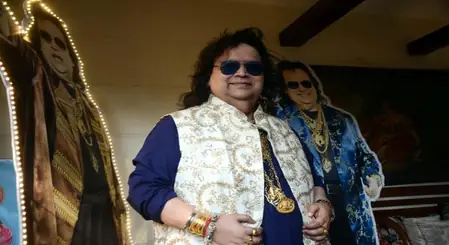
The story of Bappi Lahiri is one of rhythm and revolution. Dubbed the Disco King, he infused Bollywood with disco fever, delivering beats that outlasted trends and spanned generations. His fusion of high-energy disco, pop, and Indian melodies made him a household name.
Born Alokesh Lahiri in 1952 to musical parents, his prodigy status was evident young. Tabla mastery at three impressed Lata Mangeshkar; piano compositions followed soon. The 1986 Guinness Record—33 films, 180+ songs in a year—highlighted his unmatched productivity. Across languages, his tally hit 5,000 songs and 500 films.
Iconic soundtracks from ‘Sharaabi,’ ‘Thanedar,’ ‘Namak Halaal,’ and ‘Disco Dancer’ featured gems like ‘Jhim Jhim Jhimak,’ ‘Tamma Tamma,’ and ‘Pag Ghunghroo.’ Self-sung hits and Mithun collaborations defined disco’s peak.
But evolution brought disillusionment. Bappi da voiced frustration: ‘Past eras with Burman, Laxmikant-Pyarelal thrilled me. Songs were memorable marathons; now, they’re fleeting sprints.’ Remixes of his work pleased him, yet he mourned lost originality. ‘Focus on fewer, heartfelt projects,’ he advised.
Drawing lines between influence and imitation, he praised unique spins on global sounds. His brush with Michael Jackson in 1996—Mumbai visit, Matoshree meeting, jewelry banter—remained a cherished ‘big experience.’ Jackson’s admiration for his gold Ganesh chain underscored mutual respect among music titans.
February 15, 2022, marked the end of an era as Bappi Lahiri departed. His lament underscores a timeless truth: true artistry craves depth amid industry’s rush.