
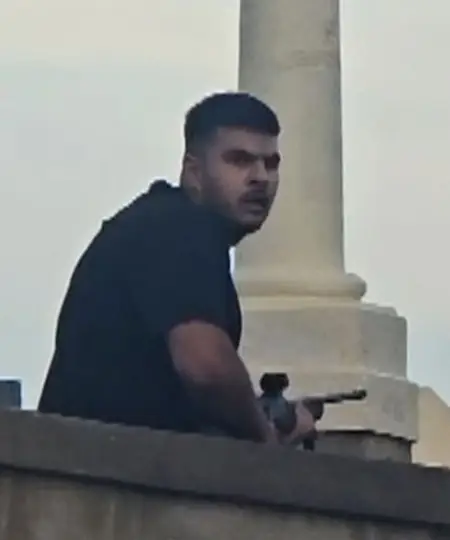
Sydney’s legal system took a pivotal step Monday when terror suspect Navid Akram, the alleged mastermind behind the horrific Bondi Beach shooting, appeared in court for the initial time. Broadcast via video link from a high-security jail, the 24-year-old faced a packed slate of 59 charges, encompassing 15 murders, 40 intentional woundings, and terrorism designations from the December 14 atrocity.
This marked the first public glimpse of Akram since the attack that ended his father Sajid’s life via police bullets during the Hanukkah-targeted assault – Australia’s grimmest mass killing in three decades.
The Supreme Court proceeding, over in five minutes, touched on proof sequencing, with April set for continuation. Akram uttered few words, responding solely to judicial queries, per media accounts. His counsel, Ben Archbold, demurred on early plea indications.
In parallel revelations, ASIO chief Mike Burgess described to parliament how the duo cloaked their intentions masterfully, operating ‘in the dark’ to elude tracking. This premeditation amplifies the attack’s chilling impact on a joyous Jewish observance.
The Bondi carnage reverberates: beaches cordoned, memorials blooming, and a city grappling with vulnerability. Victim families demand accountability, while experts dissect radicalization pathways.
From sunbathers to lawmakers, the consensus builds – fortify defenses, foster tolerance. Akram’s court debut signals the long road to reckoning, a quest for justice amid profound loss.