
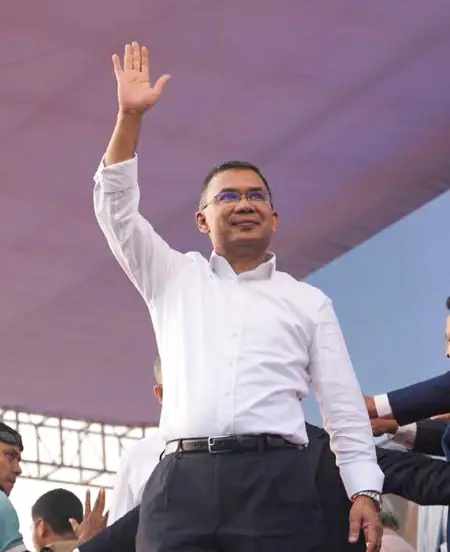
The dust from Bangladesh’s elections reveals a BNP landslide, igniting optimism for Tarique Rahman’s democratic stewardship. However, intelligence whispers caution: Jamaat-e-Islami’s 77 seats signal an emboldened radical force testing the new leader’s mettle.
Inheriting Yunus’s mess, Rahman faces a Herculean task. Porous Pakistan ties—relaxed visas, maritime access—allegedly greased ISI pathways for weapons, militants, and narcotics bound for India. Internally, Jamaat-orchestrated mobs terrorized streets, targeting press freedom, vulnerable communities, and dissenters amid police paralysis.
Rahman’s foreign policy vows equilibrium, placing Bangladesh first—a pivot from Yunus’s pro-Pakistan tilt. But homefront purification trumps diplomacy: dismantling mob rule and ideological infiltration.
Jamaat lurks as a wildcard. Post-election calm might mask ambitions for BNP coalition, echoing history. BNP’s self-sufficiency limits leverage, yet Jamaat’s bureaucratic footprints and seat surge—from negligible to 77—threaten ideological warfare and coercion.
Rooted in 1971 betrayal, Jamaat sought Pakistan reintegration, thriving under Yunus with escalated violence. Voters’ resounding no underscores rejection of puppeteered extremism. Border successes near India amplify perils, as radicalism encroaches.
Officials predict Rahman will deny Jamaat free rein for stability’s sake. Still, its political heft demands strategic containment to avert mob resurgence and secure Bangladesh’s future.