
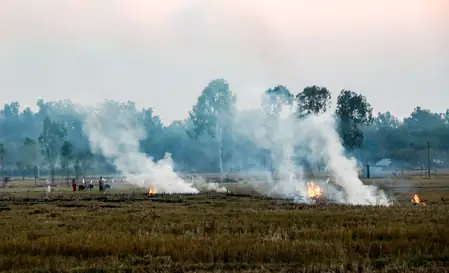
Air quality warriors at CAQM have drawn a firm line: by 2026, wheat stubble burning in Punjab, Haryana, and Uttar Pradesh must end completely. A enforceable directive compels these states to activate time-bound action plans for the harvest season, targeting NCR’s persistent pollution woes.
This practice fuels deadly smog not just locally but region-wide, as evidenced by fire hotspots tracked via ISRO/ARI from April to May 2025 in key districts. Structured, proactive measures are the only way forward, says the commission.
Prior guidelines led to state-specific drafts, scrutinized and upgraded during the 26th CAQM meeting and state consultations on December 22, 2025. Execution starts now.
Every village farm gets mapped and slotted into management modes: diversification, in-situ techniques, ex-situ options, or fodder. Nodal officers per district handle 100 farmers’ compliance, aided by apps for CRM access—free for smallholders.
Build storage silos, forge supply chains for alternative uses, craft district strategies. Launch ‘Stubble Protection Forces’ with cops, agri experts, and officials for vigilant oversight and crackdowns, ramping up night watches. Secure compensation frameworks and blitz awareness on risks versus sustainable methods.
Delhi-Rajasthan too must step up. Ongoing monthly updates to CAQM will track progress, heralding a new era of cleaner NCR skies.