
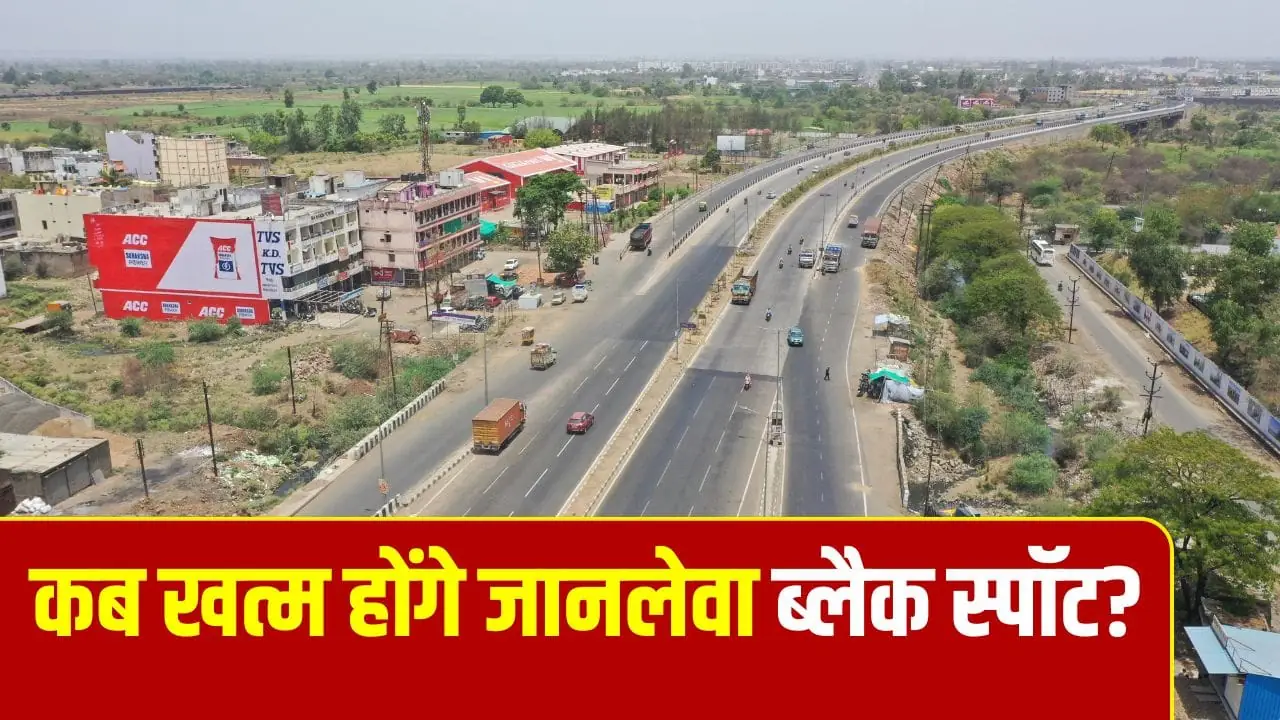
The Bihar Legislative Council witnessed a heated exchange on road safety, unveiling that more than 50,000 lives have been snuffed out by accidents over the last seven years. This catastrophe has also left thousands maimed, demanding immediate governmental overhaul.
Independent legislator Maheshwar Singh’s starred question on East Champaran’s Motihari district—where 393 died in 2025—forced Road Minister Dilip Jaiswal to confront NCRB data. From 2019 to 2026, the toll stands at 50,941 dead and 44,000 injured, with youth aged 18-35 comprising half the fatalities.
In agreement, Jaiswal pinpointed 1,044 black spots statewide, triggering engineering remedies and public education initiatives. Safety boards, directional signs, and additional zebra crossings are on the anvil to tame these lethal stretches.
Tensions peaked over Atal Path, queried by Congress MLCs as a ‘death trap.’ Samir Kumar Singh decried perpetual accidents and ineffective speed limits. Jaiswal highlighted underused foot overbridges—CCTV shows scant footfall—alongside ample signage and service lanes, attributing woes to pedestrian defiance.
Built to specs, the highway exemplifies how infrastructure alone falls short without discipline. Bihar must prioritize enforcement, education, and innovation to reverse this deadly trend and safeguard its roads for future generations.