
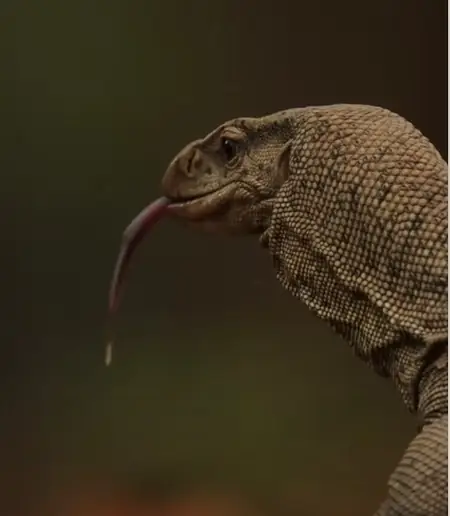
Picture a colossal lizard prowling your backyard—hissing, tongue darting like a serpent’s fork. That’s the Bengal monitor lizard, or ‘goh,’ a cornerstone of India’s biodiversity under siege from traffickers. Often feared as a poison-wielding fiend, this reptile is harmless to humans, debunking centuries-old tales.
As the nation’s premier lizard species, it boasts no venom glands. Bites risk bacterial infections from a diet heavy on carrion, vermin, amphibians, and avians. Young ones nibble insects; grown-ups seize rats, snakes—even venomous ones—bolstering farm security.
Their hunting prowess hinges on a genius organ: the tongue samples air molecules, analyzed by Jacobson’s organ for pinpoint accuracy. This makes them unparalleled pest managers, spotted everywhere from orchards to outskirts of cities.
Monsoon revives their vigor, with burrowing mothers safeguarding eggs in earthen pits. Sanctuaries like Dudhwa host thriving groups, proving coexistence is possible. Yet, numbers plummet amid illegal hunts for leather goods and dubious medicines.
Legally shielded by the Wildlife Protection Act, violations carry jail time. Conservationists decry superstition-driven slaughters, emphasizing monitors’ irreplaceable service in curbing crop-destroying pests naturally. Public enlightenment could stem the tide, preserving this ecological ally before it’s too late.