
Bangladesh’s dengue woes intensify as authorities log 14 new cases in the past day, heightening fears of another major outbreak. Hospitals in affected divisions are on high alert, admitting all patients for intensive care.
DGHS data, shared Tuesday, attributes nine cases to Barisal, four to Khulna, and one to Rajshahi. This surge follows a pattern seen in prior years, where the virus exploits seasonal shifts to explode in incidence.
Cumulatively this year, 1,361 infections and four deaths mark the tally. Contrasting sharply with 2023’s 102,861 cases and 413 fatalities, or 2024’s 101,214 infections killing 575, the current numbers hint at potential escalation without swift intervention.
The health ministry’s playbook includes mosquito larvicide application, community clean-ups, and health education drives. Citizens are advised to seek professional help promptly for flu-like symptoms, eschewing home remedies that delay critical care.
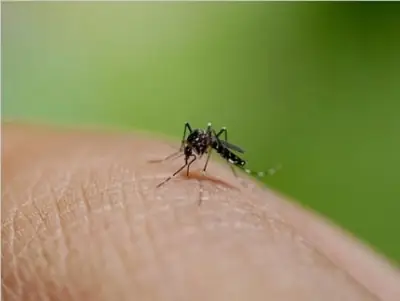
Dengue fever, a flavivirus infection spread by Aedes mosquitoes, strikes tropical regions hardest. Symptoms range from mild fever to plasma leakage causing shock. Global health bodies advocate integrated vector management, combining chemical, biological, and environmental tactics.
Early hospitalization slashes fatality risks from 20% in severe cases to under 1%. As Bangladesh navigates this challenge, sustained funding for surveillance and research into vaccines offers a path to long-term resilience against dengue’s grip.