
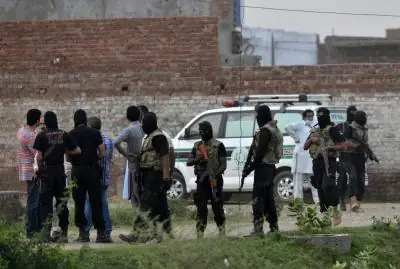
Pakistan’s human rights landscape is under siege, with the Human Rights Commission of Pakistan (HRCP) exposing the Crime Control Department (CCD) in Punjab for what it calls a chilling policy of staged encounters and unlawful executions. From Islamabad, the February 17 report details 924 lives lost in 670 police actions during eight months of 2025, dwarfing the two officer deaths in the fray.
The numbers paint a grim picture: more than two suspects gunned down daily, executed through uniform methods province-wide. This is no coincidence, HRCP declares—it’s a systemic malaise demanding immediate judicial scrutiny at the highest levels.
Fear grips bereaved families, as illustrated by allegations of police strong-arming hasty funerals and threatening further violence against those seeking answers. Such behavior, the commission notes, is not just unethical but criminally obstructive to fair justice.
Encounter deaths have festered as a contentious issue in Pakistan, especially in Punjab and Sindh. Governments there hail them as crime-busting necessities, yet a chorus of judicial voices, activists, and rights monitors laments the toll on rule of law and accountability.
HRCP invokes UN basic principles, faulting CCD operations for disproportionate lethal force without the required necessity or follow-up responsibility. The near-identical accounts in every FIR and media release—aggressor suspects, defensive police fire, notorious criminal profiles—signal orchestration, not authenticity.
Public order thrives on rigorous inquiry and trials, not vigilante-style shortcuts, HRCP emphasizes. Its blueprint for reform includes province-wide bans on encounters, compulsory neutral investigations, prosecution of offenders, and alignment with domestic and global rights benchmarks.
The stakes are existential: ignore these calls, and Pakistan courts a future where state brutality becomes routine, shattering its judiciary, democracy, and world image beyond repair.