
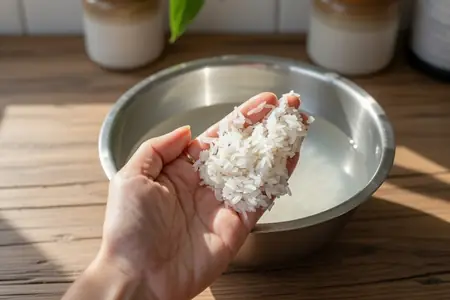
Ever wondered why traditional cooks swear by soaking rice? It’s not mere ritual—it’s rooted in profound health advantages that modern science confirms. Bypassing this step means missing out on easier digestion, optimal nutrient delivery, and blood sugar stability, according to leading nutritionists.
The culprit is phytic acid, a storage protein in rice grains that inhibits the absorption of key minerals like iron, zinc, and calcium. A quick soak dissolves much of this barrier, as evidenced by studies in the National Library of Medicine. The result? Your meals deliver more of the goodness they promise, combating common deficiencies effectively.
Soaking also revolutionizes the cooking process. Rice grains absorb water, softening enzymes that predigest starches into accessible sugars. This leads to quicker cooking, fluffier results, and superior flavor profiles. Digestive woes like gas and discomfort diminish, while the glycemic index drops, making it a boon for diabetes management and weight control.
Practical tips: Start with a thorough rinse (2-3 times) to clear debris. Soak white rice 15-20 minutes, basmati 20-30, brown 6-8 hours, and whole grains 8-12. Caution with white varieties—too long a soak risks vitamin loss.
Whether drawing from Ayurveda or lab data, soaking rice stands as a cornerstone of healthy eating. Make it your new habit, and savor the difference in every bite: nourished body, steady energy, and peak digestive health.