
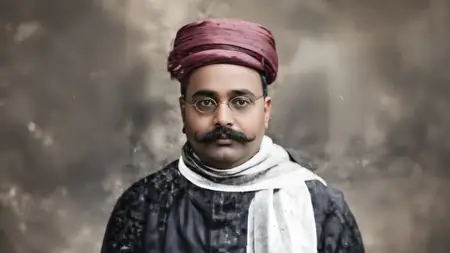
Few knew how to dismantle colonial arrogance like Gopal Krishna Gokhale. The 1866 Ratnagiri-born professor turned the Imperial Legislative Council into his battlefield, where numbers trumped bluster. British viceroys dreaded his budget speeches, as he spotlighted salt tax atrocities and wasteful army expenditures, urging investment in Indian youth.
In 1915, as Gandhi stepped onto Indian soil, Gokhale delivered timeless counsel: eyes wide open, lips sealed for 12 months. This immersion shaped the reluctant lawyer into the global icon of non-violence.
Gokhale viewed public service as sacred duty, not side gig. Launching the Servants of India Society, he demanded oaths of austerity from members—no wealth, no family hoarding, only national service. He built an army of shadow influencers dedicated to India’s bedrock.
His bridge-building between Hindus and Muslims inspired even Jinnah, who yearned to be his Muslim counterpart. Gokhale praised Jinnah’s unifying role, while bridging Congress divides in his last efforts. Tilak’s eulogy in Kesari captured the grief: India had lost its brightest gem.
The ‘Gokhale Political Testament’ prophetically mapped self-governance, seeding future reforms. Departing life a mere month after his protégé’s arrival, Gokhale’s story is one of quiet mastery—proving that intellect and integrity can outmatch any empire’s might.