
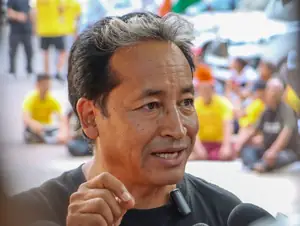
Thursday marks a crucial juncture for Sonam Wangchuk, the prominent Ladakh activist languishing in jail since September. His wife, Geetanjali Angmo, has urged the Supreme Court to quash his detention, citing botched procedures and doctored evidence in her petition up for hearing.
Tied to violent Ladakh agitations that killed four and injured scores, Wangchuk’s case hinges on his speeches. Authorities allege they incited the chaos, but Angmo contends he was kept in the dark about charges, with transcripts manipulated to fit a narrative.
Justices Arvind Kumar and P.B. Varale, earlier this week, dissected glaring mismatches in speech translations. They decreed the original pen drive’s submission, stressing: “No variance allowed in the speech content—interpretations can differ, but facts cannot.”
Veteran lawyer Kapil Sibal lambasted the prosecution’s charts as incomplete fabrications. “This is a unique custody order based on non-existent evidence,” he charged. The bench concurred, calling for genuine transcripts to verify claims.
With arguments deferred, today’s proceedings promise clarity. This isn’t just about one man; it’s a test of judicial oversight on executive overreach in activist clampdowns. Ladakh’s autonomy struggles amplify the stakes, as Wangchuk’s release could embolden regional movements while tightening scrutiny on speech freedoms.