
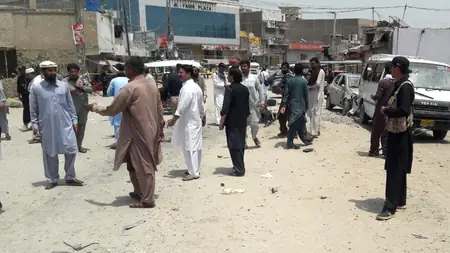
In a heart-wrenching turn of events, a gas cylinder blast in Karachi’s Soldier Bazaar led to the collapse of a building section, resulting in six fatalities and numerous injuries. The explosion at Gul Rana Colony jolted the community awake, with rescuers racing against time to save those entombed in the rubble.
Eyewitnesses described a deafening boom that shattered windows blocks away, originating from a residential unit suspected of a gas leak. Rescue 1122’s elite teams, backed by disaster response units, extracted 11 survivors who received immediate hospital treatment. Operations persisted amid challenges posed by the area’s congestion, with officials estimating hours more of digging.
Deputy Commissioner East’s statement painted a grim picture: possible entrapment of two more victims in the mangled remains. The blast’s ferocity underscores the dangers of unregulated gas storage in urban Pakistan, where substandard housing amplifies every mishap.
This disaster echoes recent turmoil across the nation. Balochistan’s Taftan gas plant explosion left over 100 trapped, its shockwaves felt 10 km away. Meanwhile, Khyber Pakhtunkhwa mourned 12 deaths from a checkpoint bombing in Bajaur, blending civilian and military tolls in the volatile northwest.
With rescue efforts winding down, attention shifts to accountability. Enhanced regulations and public awareness campaigns are imperative to shield vulnerable neighborhoods from such preventable horrors.