
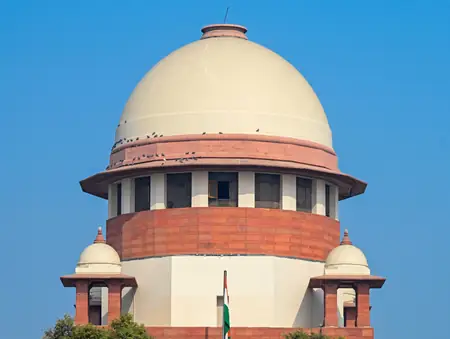
The Supreme Court issued a reality check to India’s political class on Tuesday, slamming the proliferation of ‘freebie’ schemes that are bleeding state treasuries dry. In a landmark observation, Chief Justice Sanjaya Kumar Mishra’s bench questioned the logic of promising free electricity, cash, and sundry benefits when development funds are scarce.
At the heart of the matter is a challenge by Tamil Nadu’s power distribution entities against a community-specific electricity subsidy. The scheme, they claim, has saddled them with unsustainable losses, prompting the apex court intervention.
‘Imagine states running massive deficits yet rolling out new freebie programs. Free power, free bikes, free meals—who pays for roads, schools, and hospitals?’ CJI Mishra queried, urging a pivot to employment generation. ‘Direct cash transfers to accounts? We’re crossing a dangerous line.’
The court lambasted the financial shortsightedness, especially with elections looming. ‘All parties and thinkers must rethink this. It’s eroding our growth engine,’ it noted, distinguishing essential aid for the destitute from blanket giveaways enriching the comfortable.
This isn’t isolated; multiple states mirror this pattern, borrowing recklessly to buy votes. Economists warn of long-term damage to India’s fiscal framework, potentially inflating deficits and crowding out productive investments.
The bench’s directive is clear: foster jobs, not dependency. As the petition progresses, it could set precedents curbing populist excesses, aligning welfare with economic viability.
In a nation striving for self-reliance, the Supreme Court’s voice resonates loudly, reminding leaders that true progress lies in empowerment, not entitlements.