
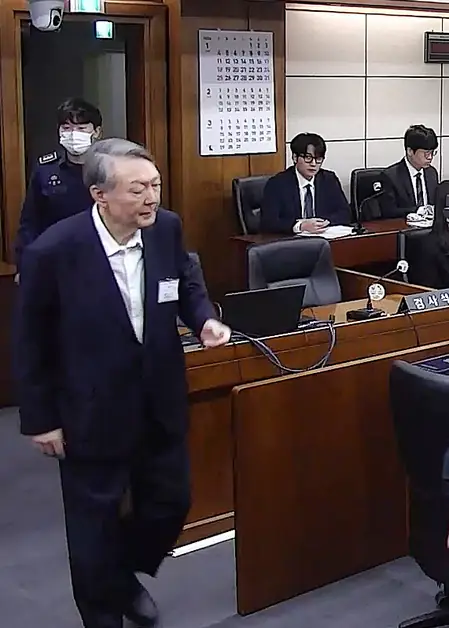
Former South Korean President Yoon Suk Yeol’s date with destiny arrived in a Seoul courtroom Thursday, where judges imposed a life sentence for orchestrating a rebellion through a botched martial law declaration. This high-stakes drama, rooted in late 2024 events, exposes the perils of power consolidation.
Central to the judgment was Yoon’s order dispatching armed forces to encircle the National Assembly—a blatant bid to neuter legislative opposition. The ex-president, shackled and present from detention, endured a televised trial that captivated millions.
Accusations detailed a sinister plot with former Defense Minister Kim Yong-hyun to undermine the constitution via engineered chaos and unlawful emergency rule, absent any genuine threat like war. The short-lived martial law stint lasted mere hours before collapse under public and military resistance.
In a fierce appeal, prosecutor Cho Yoon-sook’s squad sought death, lambasting Yoon’s scheme to entrench himself by subjugating courts and parliament. ‘He weaponized state resources against the people’s will,’ they charged, demanding maximum retribution.
Yoon countered with claims of legitimate constitutional action, denying rebellious intent. But the court, affirming the lower ruling, equated his martial law edict with insurrection.
This outcome vindicates South Korea’s robust democratic framework, which impeached Yoon and now incarcerates him for life. It echoes historical struggles against military dictatorships, fortifying civilian oversight.
Political analysts predict ripple effects on upcoming elections and policy, with the ruling hailed as a bulwark against authoritarian relapse. Yoon’s camp hints at supreme court challenges, but for now, justice has spoken decisively.