
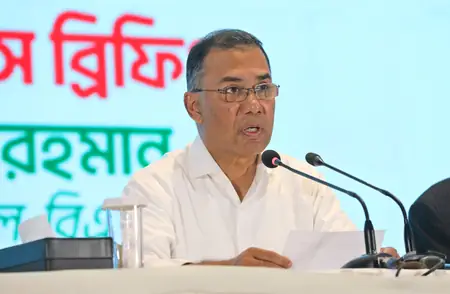
Prime Minister Tarique Rahman’s first act in office: a resounding commitment to law enforcement and minority safeguards in violence-scarred Bangladesh. As the dust settles on revolutionary upheaval, his words signal a determined push for stability and fairness.
Speaking directly to citizens, Rahman vowed, ‘Peace and security top our agenda, achieved via robust policing and anti-corruption drives.’ He targeted vices like betting dens and drug trades as primary safety hazards, instructing officials to act decisively right away.
Upholding constitutional order, he insisted all institutions—public and private—adhere strictly to legal frameworks. ‘Rule of law prevails over politics, prestige, or pressure,’ Rahman affirmed, addressing fears from the minority communities’ recent ordeals.
In an embrace of pluralism, he declared equal citizenship regardless of religion—Muslim, Hindu, Buddhist, or Christian—or political loyalty. ‘This is our shared country; let’s advance it together,’ he implored, fostering national solidarity.
Rahman also championed ethical reforms, with BNP parliamentarians renouncing elite privileges such as tax-exempt imports and land grants, as decided in the initial cabinet meet. This move highlights aspirations for incorruptible administration.
Bangladesh’s path ahead hinges on translating rhetoric into reality. Rahman’s proactive agenda instills optimism, potentially healing wounds from strife and building a more equitable society.