
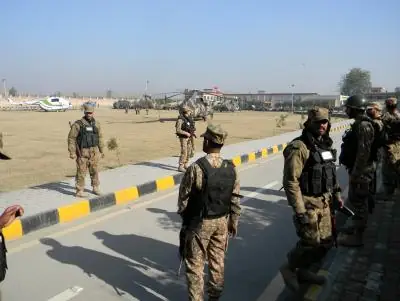
Diplomatic fireworks erupted between Islamabad and Kabul after Pakistan issued a demarche to Afghanistan over a devastating terror attack in Bajaur district, Khyber Pakhtunkhwa. Eleven soldiers lost their lives in the VBIED and shootout assault, prompting fierce accusations of Afghan complicity.
The Foreign Office summoned the Afghan deputy mission head to present the protest document, categorically condemning the strike on security installations. Blamed on TTP’s ‘Fitna al-Khawarij,’ the attack exposed what Pakistan sees as Kabul’s tolerance of terror hubs.
Islamabad charges that TTP commanders orchestrate hits from safe havens across the border, despite Afghan pledges to act. No visible progress has materialized, fueling outrage. ISPR’s account painted a vivid picture: explosives-packed vehicle slams into checkpost, 11 defenders slain, 12 terrorists downed in response.
Reciprocal barbs aren’t new. Afghanistan recently trashed Pakistan’s theory on the February 6 Islamabad mosque blast, calling it hasty and evasive. Asif cited prelim findings of cross-border movement, but Kabul decried the pattern—from Balochistan to elsewhere—as a cover for Islamabad’s security shortcomings.
‘If identities were known beforehand, why the failure to prevent?’ the Afghan ministry queried, invoking Islamic values to condemn innocent bloodshed and pressing Pakistan for internal reforms.
This exchange lays bare the fraught Pakistan-Afghan dynamic, where border realities clash with diplomatic rhetoric. As militancy surges, the demarche marks a bid to force accountability, but without joint efforts, the cycle of violence risks deepening, imperiling peace on both sides.