
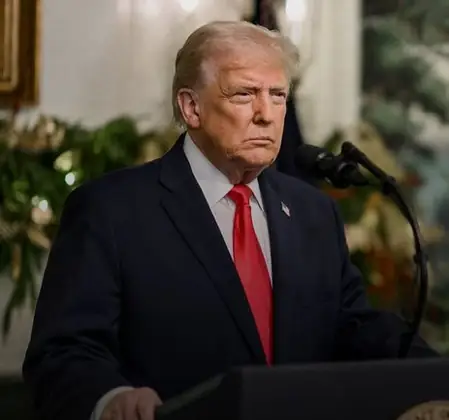
Tensions between the US and Iran are reaching a boiling point, with President Trump openly signaling a possible strike window of 10 to 15 days. The provocative statements come as Washington contemplates limited military measures to dismantle Iran’s nuclear ambitions once and for all.
Detailed reports reveal a contingency plan: Initial airstrikes on key facilities to jolt Tehran into compliance. Should defiance continue, the campaign would intensify, methodically expanding targets to break Iranian resistance.
Trump’s word choices have been deliberate. ‘A deal will happen, one way or another,’ he asserted. In a follow-up, he narrowed the timeframe, telling audiences that developments could unfold imminently—within days or up to two weeks.
Reinforcements are pouring in. The USS Gerald R. Ford carrier strike group is en route, set to reinforce US presence in the Middle East by March. This buildup, coupled with troop surges, paints a picture of readiness for confrontation.
Israel’s perspective adds complexity. Ex-Ambassador Daniel Shapiro warns that while allied strikes would hurt Iran badly, the fallout could be protracted and costly, with Tehran retaining counterstrike potential.
Iran’s leadership didn’t hold back. Ayatollah Khamenei vowed to sink US carriers and inflict irreversible damage, framing his military as the ultimate equalizer against superior firepower.
Negotiations limp along, with White House spokespeople acknowledging minor headway but insisting on concessions from Iran. Tehran maintains its nuclear program is strictly civilian, a claim dismissed by skeptics since the US ditched the 2015 pact.
Years of sanctions, proxy battles, and close calls have primed the powder keg. With Trump at the helm, the specter of direct conflict looms larger than ever, demanding vigilant international scrutiny.