
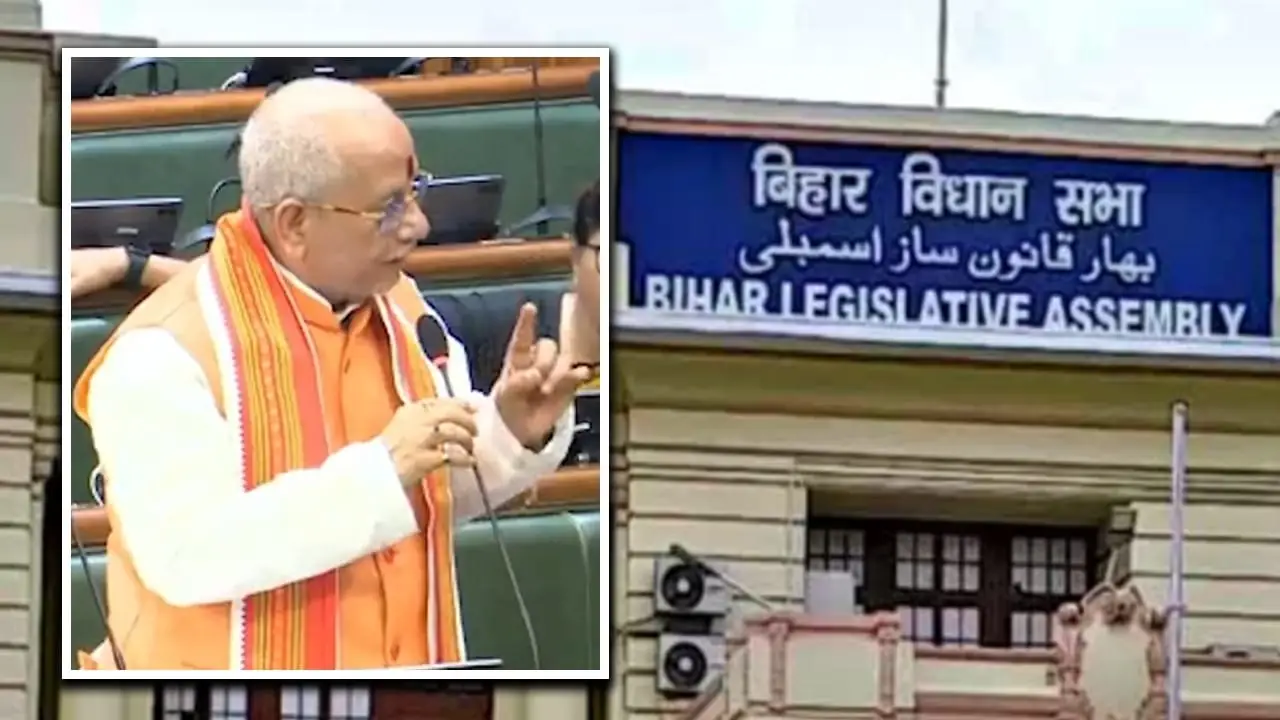
A seemingly routine zero hour in Bihar Assembly exploded into pandemonium over the utterance of ‘Brahmin’ during talks on UGC equity norms. CPI(ML)’s Sandeep Saurabh advocated for immediate adoption and central law-making, but BJP MLA Murari Mohan Thakur’s rebuttal led to a dramatic exchange of pointed fingers, suspending normal business.
At the heart of Saurabh’s pitch was equitable access in education, yet it unearthed deeper caste sensitivities. Deputy Chief Minister Vijay Sinha rose to share his background: ‘From the Bhumihar Brahmin fold myself, I’ve endured ragging and prejudice firsthand.’ His revelation personalized the policy clash.
MLA Romit Kumar deepened the inquiry, citing anomalies between 1931 census stats and subsequent records on Bhumihar demographics, pressing for official intervention to eliminate misinformation.
Responding authoritatively as Revenue Minister, Sinha declared no alterations to existing Brahmin entries in records. ‘The land reforms archives are sacrosanct; revisions are off the table,’ he emphasized, prioritizing archival fidelity.
Post-session, opposition firebrand Tejashwi Yadav unleashed criticism. ‘Bihar’s justice system is in ruins, fostering widespread disorder. Criminals flourish with government backing, in cahoots with power brokers. The top leader is comatose, leaving people in agony, officers dishonest, and felons ecstatic,’ he told reporters.
Such incidents spotlight Bihar’s volatile caste dynamics, blending legislative debates with identity assertions, and could influence the trajectory of state politics ahead.