
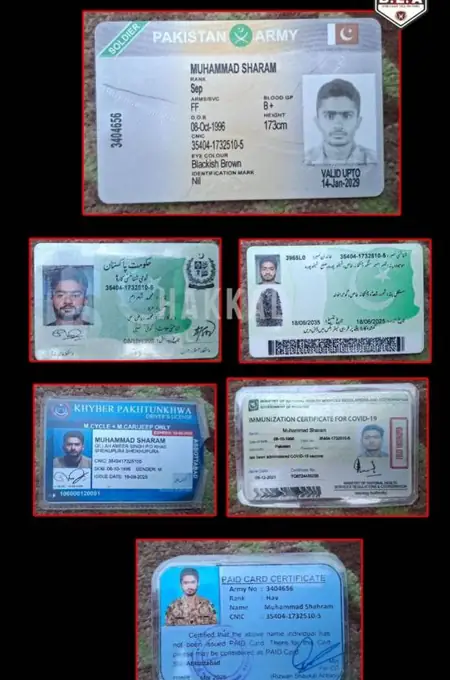
A heartbreaking hostage drama unfolds in Balochistan, where seven Pakistani soldiers’ desperate videos begging for recognition from their own army have gone unanswered. The Baloch Liberation Army (BLA) captured the spotlight on February 14, publicizing the men’s detention and setting a February 21 execution deadline unless demands are met.
ISPR and 10th Corps swiftly dismissed the evidence as fake news, alleging deepfakes and staged actors. The digital realm buzzed with dueling campaigns, framing it as peak information warfare.
Yet, authenticity shone through in follow-up footage. Mohammad Shahram, voice cracking, held up his army ID and national identity card, sharing his burden as family anchor amid his father’s disability. ‘If we’re imposters, explain our recruitment,’ he challenged. All seven corroborated, displaying proof in unison.
BLA amplified with clips of Didar Ullah and Usman, self-identifying as active-duty personnel. Pakistan’s lack of formal response fuels debate: real peril or rebel ruse? Echoes of Kargil’s early denials resurface, where evidence later forced admissions and reputational hits.
Under Asim Munir’s leadership, this tests the military’s spine—prioritize soldier lives or narrative control? Balochistan’s chronic unrest amplifies stakes, questioning document integrity if claims hold.
Beyond captives’ fates, this probes systemic transparency deficits. Experts predict outcomes: talks, statements, or escalation? Pakistan’s handling could redefine military ethos, demanding answers on loyalty and valor in crisis.