
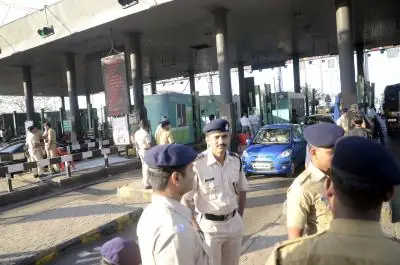
A cash-free future awaits drivers on India’s vast national highway network. The NHAI is mulling a complete ban on cash payments at toll plazas effective April 1, 2026, paving the way for an all-digital toll regime. This announcement from the Road Transport and Highways Ministry underscores a commitment to leveraging technology for better road management.
The backbone of this shift is the proven Fastag system, now used in over 98% of transactions. Contactless RFID scans allow vehicles to pass without stopping, drastically cutting wait times. UPI payments, recently rolled out, offer a quick alternative for the rest, ensuring no one is left behind in the digital transition.
Benefits are multifaceted: increased plaza efficiency, reduced crowds, amplified lane speeds, and ironclad transaction transparency. With 1,150 toll points nationwide, the impact will be felt coast to coast, enhancing the daily commute for millions.
Penalties for non-compliance today—double tolls for cash, 1.25x for UPI—signal the direction of travel. Meanwhile, Fastag’s annual pass has crossed 50 lakh subscribers, logging 265.5 million transactions post-launch. At Rs 3,000 for a year or 200 uses, it’s a game-changer for regulars.
This policy isn’t just about payments; it’s a stride towards operational excellence and user convenience. As digital adoption solidifies, national highways will embody India’s tech-forward infrastructure ambitions, delivering faster, fairer journeys for all.