
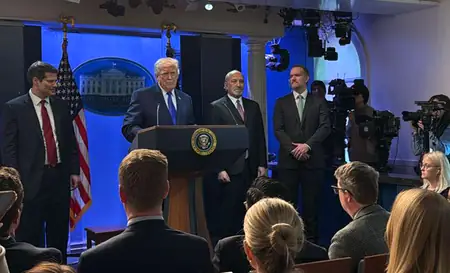
Defying a Supreme Court setback, President Trump has unleashed Section 122, imposing 10% tariffs on most imported goods from February 24 for 150 days. This presidential privilege under the 1974 Trade Act targets America’s chronic trade deficits, described as acute international payments imbalances caused by import dependence.
The White House fact sheet lays bare the rationale: weak domestic manufacturing means the US buys far more abroad than it sells, hemorrhaging dollars overseas. Section 122 equips the president to fight back with immediate surcharges and restrictions, bypassing the red tape of typical trade remedies.
Smart exemptions spare essentials—think critical minerals, energy fuels, fertilizers, pharma ingredients, electronics components, vehicles, and select ag products. By sparing these, the policy protects supply chains while hitting luxury and surplus imports hardest.
In parallel, Trump greenlit Section 301 probes by the US Trade Representative into discriminatory foreign regimes that stifle American goods. This dual prong—tariffs plus investigations—forms a comprehensive assault on perceived trade inequities.
What sets Section 122 apart? Speed. No mandatory hearings or findings precede action, enabling rapid deployment. Post-150 days, tariffs lapse automatically sans congressional vote, though experts predict workarounds like renewed crisis proclamations to keep pressure on.
This obscure law, dormant for decades, now fronts Trump’s protectionist push. As importers scramble and exporters eye countermeasures, the move tests the limits of executive trade authority. Success could reshape global commerce; failure might invite legal and economic backlash. Stakeholders from Wall Street to Main Street are watching closely.