
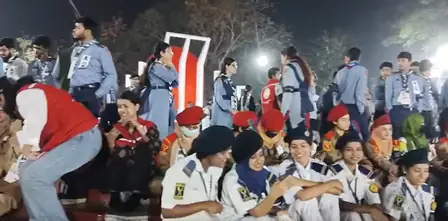
Emotional scenes unfolded at Dhaka University’s National Martyrs’ Memorial as Bangladesh marked International Mother Language Day with heartfelt tributes to the 1952 language revolutionaries. From midnight onwards, a diverse crowd of youth, activists, and politicians laid wreaths, singing songs of resistance and reciting poems in Bengali.
The Language Movement of 1952 ignited when students protested Pakistan’s plan to make Urdu the sole state language, ignoring the Bengali-speaking majority. Violent crackdowns killed demonstrators, but their deaths sparked a nationwide awakening that reshaped South Asian history.
One young participant emphasized, ‘Bengali respect transcends education systems. Neglecting it dishonors our forebears’ blood.’
Moksoda Moni, a vocal student leader, proclaimed, ‘February 21 immortalizes our heroes’ stand for mother tongue recognition. Today, Bangla thrives because of them.’
Activist Afrina Parveen celebrated global resonance: ‘UNESCO’s adoption fills me with pride. These shahids made it possible.’
A BNP backer invoked history: ‘Dawn on 21st February stirs pride. Pakistani troops massacred our kin for demanding Bangla rights. Their sacrifice endures.’
UNESCO formalized the observance in 1999, with UN backing in 2002, to champion multilingualism and diversity. The upcoming 2026 theme empowers youth voices in education reform.
This vigil not only mourned losses but celebrated triumphs, fostering unity in Bangladesh’s diverse fabric. As floral tributes piled high, the event affirmed that the fight for linguistic justice remains vibrantly alive.