
The ripples from a pivotal US Supreme Court tariff verdict reached India’s shores, with the Commerce Ministry issuing a statement on its implications. As President Trump responded with alternative duties, New Delhi committed to thorough analysis.
Delivering a 6-3 judgment Friday, justices ruled Trump’s use of the 1977 emergency act for sweeping tariffs encroached on Congress’s exclusive powers. The decision nullifies those levies, reinforcing separation of powers.
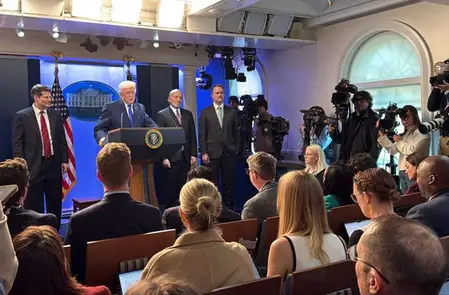
Trump quickly regrouped, announcing at a press conference a 10% temporary tariff via Trade Act Section 122. Effective February 24 for 150 days, it aims to correct international payments woes without broad economic harm.
Key carve-outs include critical minerals, currency metals, energy, resources, fertilizers, agriculture, pharma, electronics, vehicles, and select goods. A White House document detailed how this addresses core trade frictions selectively.
Further, Trump ordered probes under Section 301 into unfair practices abroad that stifle US exports. India’s official reaction was measured: attention to the court ruling, Trump’s remarks, and announced actions, with studies underway on fallout.
This fast-moving saga tests executive limits in trade policy. Indian businesses, from exporters to importers, await clarity as the ministry’s review could inform future safeguards or retaliatory postures in a volatile landscape.