
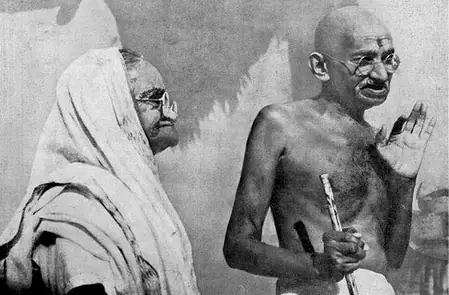
Picture this: a seven-year-old girl in 19th-century Porbandar, betrothed in a society blind to female literacy. Fast-forward, and she’s Kasturba Gandhi, ‘Ba’ to a nation, outshining even Mahatma as a British phobia. Born April 11, 1869, her marriage at 13 to Mohandas thrust her into a stormy union where he demanded obedience and education. Kasturba’s subtle rebellions—ignoring evening lessons, slipping to temple sans permission—forged Gandhi’s non-violent ethos at home.
‘I absorbed ahimsa from her unyielding yet peaceful stand,’ Gandhi conceded. South Africa beckoned in 1897, radicalizing her against apartheid horrors. In 1904’s plague crisis, Kasturba braved infection hotspots, awakening communities. She helmed Phoenix Settlement during Gandhi’s jail stints, embracing asceticism in unity.
1913’s daring Transvaal crossing under her command, health be damned, netted her prison bars. Returning to India in 1914, Sabarmati and Sevagram crowned her ‘Ba,’ mentor to multitudes. Champaran 1917: Gandhi on fields, she empowering village women.
Jailbird Gandhi? Kasturba crisscrossed India, fanning revolution. Borsad 1923: her blistering statement against women’s lathi charges ignited fury. Dandi’s vanguard, she marshaled females and scooped salt defiantly, jailed again. Rajkot’s British dread peaked—solitary for 70-year-old Ba, equated to Gandhi in peril by 1933. Fasting forced jail reforms.
On February 22, 1944, Kasturba departed, but her odyssey from unlettered bride to satyagraha titan inspires eternally. She wasn’t following; she was leading, a beacon of female fortitude in independence’s crucible.