
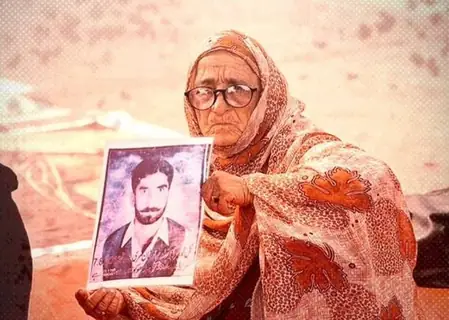
The tragic saga of Amma Huri, an 80-year-old icon of Baloch resilience, ended in sorrow on February 16. For 12 agonizing years, she fought to locate her son, Gul Mohammad Marri, allegedly taken by security forces in 2012. Her death, while awaiting his return, spotlights the humanitarian crisis of enforced disappearances plaguing Balochistan.
Driven from her home and subjected to state pressures, Amma Huri became the face of maternal defiance. She led demonstrations in Quetta, camped in Islamabad with Voice for Baloch Missing Persons, and confronted officials at every turn. Her video plea—’Is my son alive or dead? I’ve been on these streets for 14 years’—has gone viral, stirring empathy worldwide.
Analyses reveal how such stories have woven into Balochistan’s political fabric, straining ties with Islamabad. Thousands of cases mirror hers, with mothers sustaining a movement despite denials from the state. Amma Huri shattered taboos, marching publicly and challenging power structures in courts and thanas alike.
As her granddaughter carries forward the torch, Amma Huri’s legacy challenges Pakistan to address these vanishings. Her life of struggle concludes without closure, but it ignites calls for international scrutiny. In Balochistan’s turbulent narrative, she stands as a beacon of endurance, her final wait a testament to love’s defiance against oppression.