
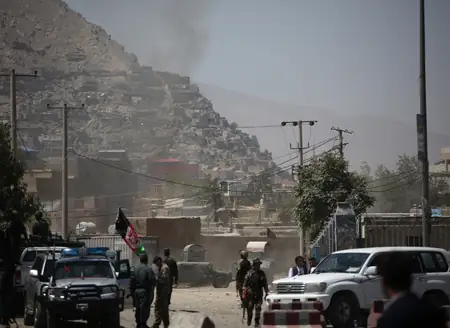
In a fiery condemnation, Afghanistan’s National Security Ministry pointed fingers at Pakistan for air strikes that killed scores of civilians in Nangarhar and Paktika provinces over the weekend. Residential zones, including a madrasa, were pummeled, resulting in heavy casualties among non-combatants like mothers and kids.
The ministry’s report underscored the scale of devastation, noting substantial injuries alongside the fatalities. This comes amid Kabul’s ongoing accusations of Pakistani aggression, now backed by confirmed airspace breaches.
The strikes were branded a blatant sovereignty infringement, clashing with international statutes, diplomatic etiquette, and Islamic principles. Afghanistan recommitted to safeguarding its territory and populace as a dual moral and state obligation, hinting at forthcoming reprisals that are strategic and precise.
Critics within the ministry portrayed the incidents as glaring indictments of Pakistan’s military incompetence. ‘Assaults on innocents and holy places expose their systemic weaknesses—no amount of repetition can conceal that,’ they declared.
Echoing these sentiments, the International Human Rights Foundation zeroed in on the Behsud district tragedy in Nangarhar. A Pakistani strike leveled a family home, claiming 16 lives across generations: from babies to the elderly.
Miraculously, two children lived, while another individual suffered wounds. IHRF decried it as familial genocide, pressing for unbiased global investigations, prosecution of the guilty, and urgent aid deliveries to Behsud’s bereaved.
Standing in solidarity with Afghans, the foundation implored the international community to uphold civilian rights amid this perilous border conflict.