
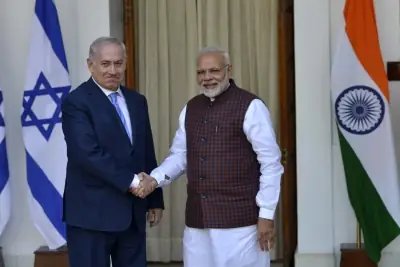
Nearly a decade after reshaping Indo-Israeli relations, PM Narendra Modi heads back to Israel on February 25 for a packed two-day agenda. Netanyahu broke the news in his cabinet remarks and X posts, celebrating the ‘unique partnership’ with powerhouse India.
Netanyahu’s rhetoric painted a vivid picture: Modi’s arrival heralds a ‘hexagon of alliances’—a Middle East-centric bloc of pragmatic states battling radicalism through shared perspectives. Their personal bond, fueled by constant communication, anchors this ambition.
Beyond US ties—which Netanyahu called ‘unparalleled’—the visit pushes multifaceted collaborations. Modi’s schedule features a Knesset speech, Yad Vashem commemoration with Netanyahu, and a tech symposium in Jerusalem zeroing in on AI, quantum leaps, and beyond.
Echoing 2017’s trailblazing impact on defense, agrotech, hydrology, and R&D, plus Netanyahu’s 2018 India foray, this trip arrives amid Mideast volatility. It spotlights surging sync in terror countermeasures, military hardware, and innovation exchanges.
Talks will probe trade expansion, security pacts, digital safeguards, and peace initiatives. Israel’s political turbulence has sparked opposition qualms on parliamentary address logistics.
At its core, Modi’s mission fortifies democratic solidarity, propelling joint ventures against adversities and unlocking bilateral potential in a turbulent world.