
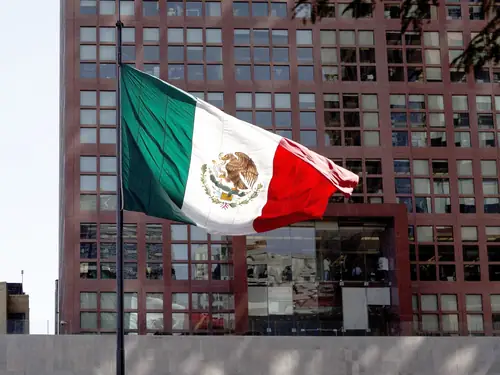
The seeds of Mexican independence were sown in discontent after centuries of Spanish exploitation. Miguel Hidalgo’s 1810 ‘Grito de Dolores’ was the clarion call, mobilizing peasants and criollos in a bid for liberty. His prophetic vision of a free nation inspired generations, even after his brutal execution.
Jose Maria Morelos built on this foundation, articulating a vision of a sovereign republic with equal rights for all. His congress drafts and military campaigns sustained the fight, embedding independence in the national consciousness despite relentless persecution.
By 1821, war fatigue and shifting loyalties created an opening. Agustin de Iturbide, once a loyalist, issued the Plan of Iguala on February 24 from the southern town. Its ‘Three Guarantees’—Catholicism, independence, and union—masterfully reconciled factions, drawing support from insurgents Vicente Guerrero and conservatives alike.
The plan catalyzed rapid change. Spanish officials signed the Treaty of Cordoba in August, recognizing Mexican autonomy. On September 27, triumphant forces entered Mexico City, ending 300 years of subjugation. Iturbide’s imperial experiment followed but faltered quickly, paving the way for a federal republic.
Historically, the Plan of Iguala was revolutionary in its inclusivity. It transformed a fractured rebellion into a unified front, symbolizing Mexico’s emergence as a self-determined nation rooted in shared faith and equality.