
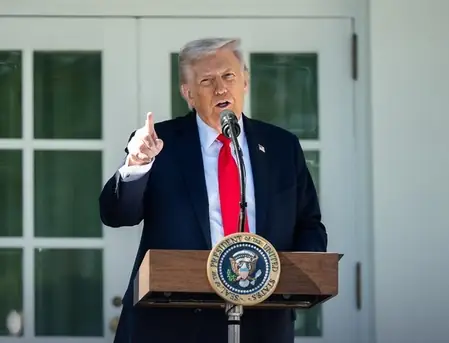
Fresh off a Supreme Court ruling curbing some trade powers, America is readying national security tariffs that could jolt India’s export engine. Big-ticket items—think lithium batteries, cast iron soil pipes, PVC tubing, specialty chemicals, grid transformers, and telecom antennas—are prime targets under Section 232.
This isn’t the sweeping 15% global tax Trump pitched; it’s precision strikes at supply chain chokepoints. India, a key player in metals, chems, and industrial fittings, risks losing US market share as duties inflate costs and squeeze margins.
Section 232, born from 1962 legislation, has a track record: steel duties in 2018 ignited trade wars, with India hitting back via higher levies on US almonds, apples, and motorcycles. New probes will scrutinize import reliance, but presidents hold the tariff trigger.
Kush Desai from the White House reiterated: economic security is paramount, justifying full legal arsenal. The Court’s IEEPA decision sidestepped Section 232, keeping the door ajar.
No start date for reviews is set, yet anticipation builds. For Indian firms, diversification beckons—shifting to Europe or ASEAN amid US hawkishness. Economists warn of broader impacts: higher US prices, slowed infrastructure projects, and strained alliances.
As Washington doubles down on ‘America First,’ exporters from New Delhi to Seoul recalibrate strategies. The message? In Trump’s trade arena, national security trumps free markets every time.